Developing the Vietnam International Financial Center in Da Nang based on AI, Data, and human resources


At the discussion panel "Developing the Vietnam International Financial Center in Da Nang" during the High-Level Policy Dialogue Conference Da Nang 2026 on July 7, city leaders and international experts shared visions for building the Vietnam International Financial Center in Da Nang (VIFC-DN) along modern lines, using AI, data, and skilled workforce as foundations, with a focus on green financial products, digital assets, and tokenization to build international competitiveness.
4 core product groups
Sharing the orientation for VIFC-DN, Mr. Ho Ky Minh, Standing Vice Chairman of the City People's Committee and Chairman of the VIFC-DN Executive Agency, noted that from January 9, 2026, the Vietnam International Financial Center officially operates under a "one center, two destinations" model in Da Nang and Ho Chi Minh City. The two hubs will complement each other by leveraging their respective regional strengths.
Da Nang positions its financial hub based on its geo-strategic location and synchronized transport infrastructure featuring two airports, three seaports, expressways, railways, and connections across the Central Coast and Central Highlands regions.
Consequently, VIFC-DN focuses on green finance and financial services supporting the Free Trade Zone and High-Tech Park, while acting as a gateway connecting international capital streams to Da Nang and localities nationwide.
Da Nang has set up VIFC-DN headquarters at Software Park No. 2 and begun attracting high-quality personnel, including foreign-trained Vietnamese professionals and international experts joining executive management.
According to Standing Vice Chairman Ho Ky Minh, VIFC-DN will roll out 04 key product groups: connecting Vietnamese enterprises issuing international bonds; developing green finance with carbon credits as a priority product targeting international markets; attracting financial institutions, investment funds, and global financial firms as members; and developing real-world asset (RWA) tokenization products.
VIFC-DN also established the VIFC Policy Lab to research and test new policy mechanisms, gradually converting international ideas and experiences into concrete models and products serving the financial center and the city.
AI, Data, and Human Resources
During the panel, international experts noted that building a globally competitive financial center depends not only on capital or physical infrastructure, but on advanced technology, data, and high-quality human resources. These foundations will enable Da Nang to forge a unique identity during VIFC development.
Professor Alfred Taudes from the Vienna University of Economics and Business (Austria) emphasized that AI will form the bedrock of future financial centers. VIFC-DN should be designed as an AI-native entity, integrating AI directly into its operational backbone.
Beyond tech infrastructure investments, establishing open data systems, standardizing data governance, and training experts skilled in both finance and AI system development/supervision remain vital.
Professor Taudes stressed that data is the "raw material" of AI. A modern financial center must ensure data sharing, set open banking standards, and create transparent data governance mechanisms that drive innovation while controlling risk.
Regarding human capital, Dr. Wojtek Wojaczek, Director of the IPIP Program (University of Cambridge), stated that the most critical capital for a financial center is people, not money.
He recommended that Da Nang formulate a long-term talent strategy combining local training with international talent acquisition, alongside building an ecosystem linking universities, enterprises, research institutes, and investors to feed high-quality human resources to VIFC-DN over the next 10–20 years. Talent attraction must go together with creating attractive living and working environments to retain top professionals, securing a sustainable competitive advantage.
From a market development perspective, Dr. Tran Quoc Hung, former Deputy Director of the Monetary Department at the International Monetary Fund (IMF), assessed that VIFC-DN possesses strong conditions to become a pioneer in digital assets and blockchain.
He suggested Da Nang prioritize products like real-world asset tokenization, carbon credit tokenization, infrastructure bonds, digital payments, and financial services serving the Free Trade Zone and East-West Economic Corridor, all sectors with vast growth potential in coming years.
Concurring, Professor Pham Hi Duc, Head of the Finance and Quantitative Engineering Department at ECE Paris, added that tokenization opens new markets by fractionalizing assets, widening capital mobilization for infrastructure projects, and increasing investor access. Capitalizing on late-mover advantages to choose a distinct development angle will allow Da Nang to pioneer this field.
Experts also spent time discussing legal frameworks for digital assets, fintech ecosystem development, regulatory sandboxes, green finance growth, carbon credit markets, financial AI integration, and creating competitive investment environments to attract international financial institutions.
Content Rating

Lê Hằng Nguyệt Ánh
Danang News
Danang Smart City

"Thank you for your comment!"
No comments on this News yet!

Da Nang targets smart city status by 2030
In addition to driving digital transformation, Da Nang is transitioning to a data-driven governance model. With orientations to build an AI City alongside projects on semiconductor microchips, AI, and Digital Twins, Da Nang is progressively forming a smart management platform that uses data as the foundation for governance and operations.
External information on the economy, politics, culture, and society in Danang city from Oct 12 to 17
From October 12 to 17, various notable economic, political, cultural and societal events and activities took place in Danang city. These highlights were compiled by Danang Portal.
Maintaining the appeal of Da Nang's beach tourism
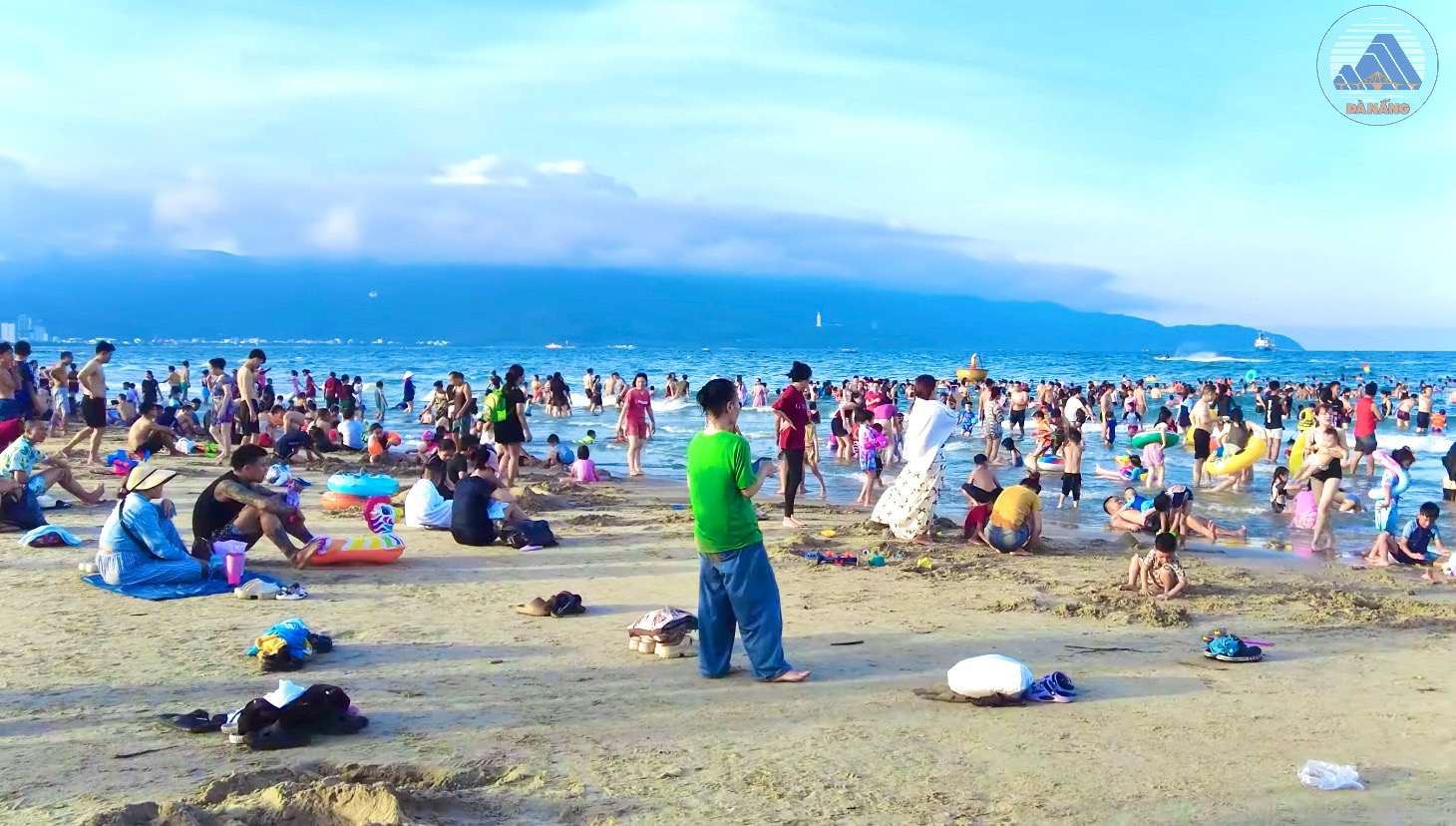
Although October is drawing to a close, the beaches in Da Nang continue to attract large numbers of locals and tourists for swimming, exercising, and relaxing early every morning. The vitality of the sea remains an advantage for the city to develop tourism year-round.
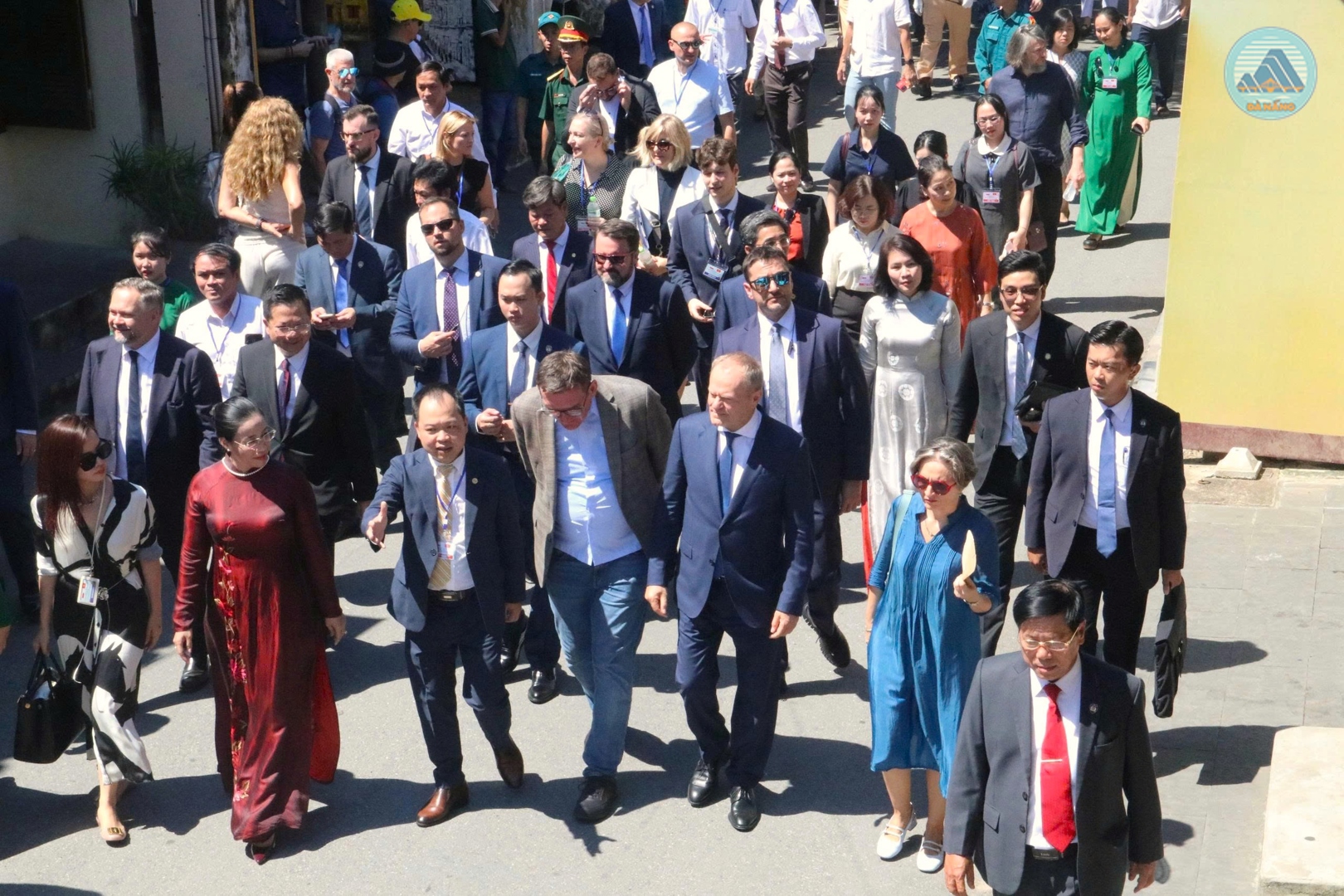
Prime Minister of Poland Donald Tusk Visits Hoi An Ancient Town
Within the framework of his visit to Vietnam, on the morning of October 24, Prime Minister of the Republic of Poland Donald Tusk visited Hoi An Ancient Town and laid a wreath at the Monument of Architect Kazimierz Kwiatkowski.
External information on the economy, politics, culture, and society in Danang city from Oct 19 to 24
From October 19 to 24, various notable economic, political, cultural and societal events and activities took place in Danang city. These highlights were compiled by Danang Portal.
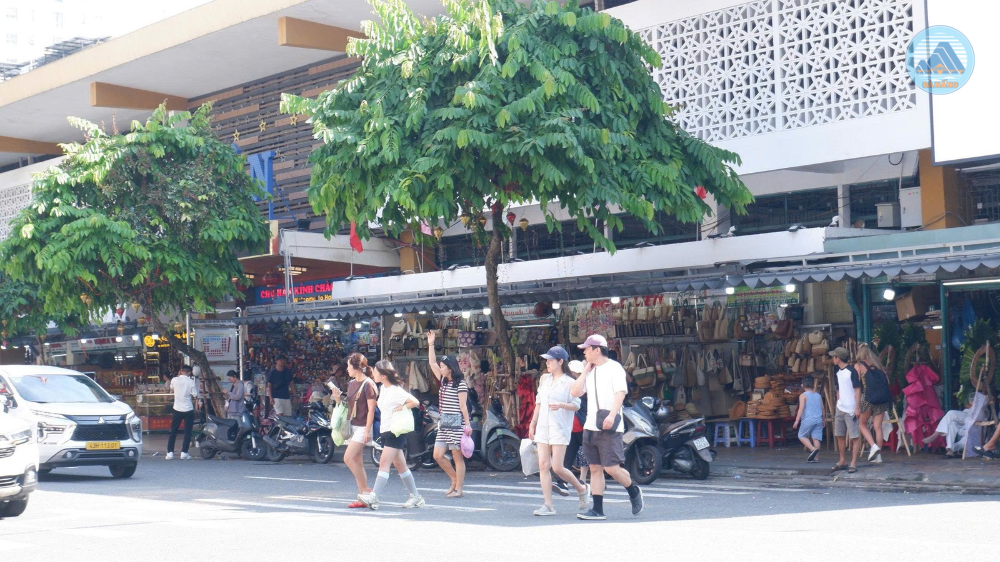
Da Nang maintains its appeal to the South Korean tourist market
International tourist flows, especially South Korean visitors, continue to visit and shop in the city during the favorable weather days of October. From the appeal of familiar destinations to the experiences of repeat visitors, Da Nang continues to have a foundation to consolidate its key international tourist market.
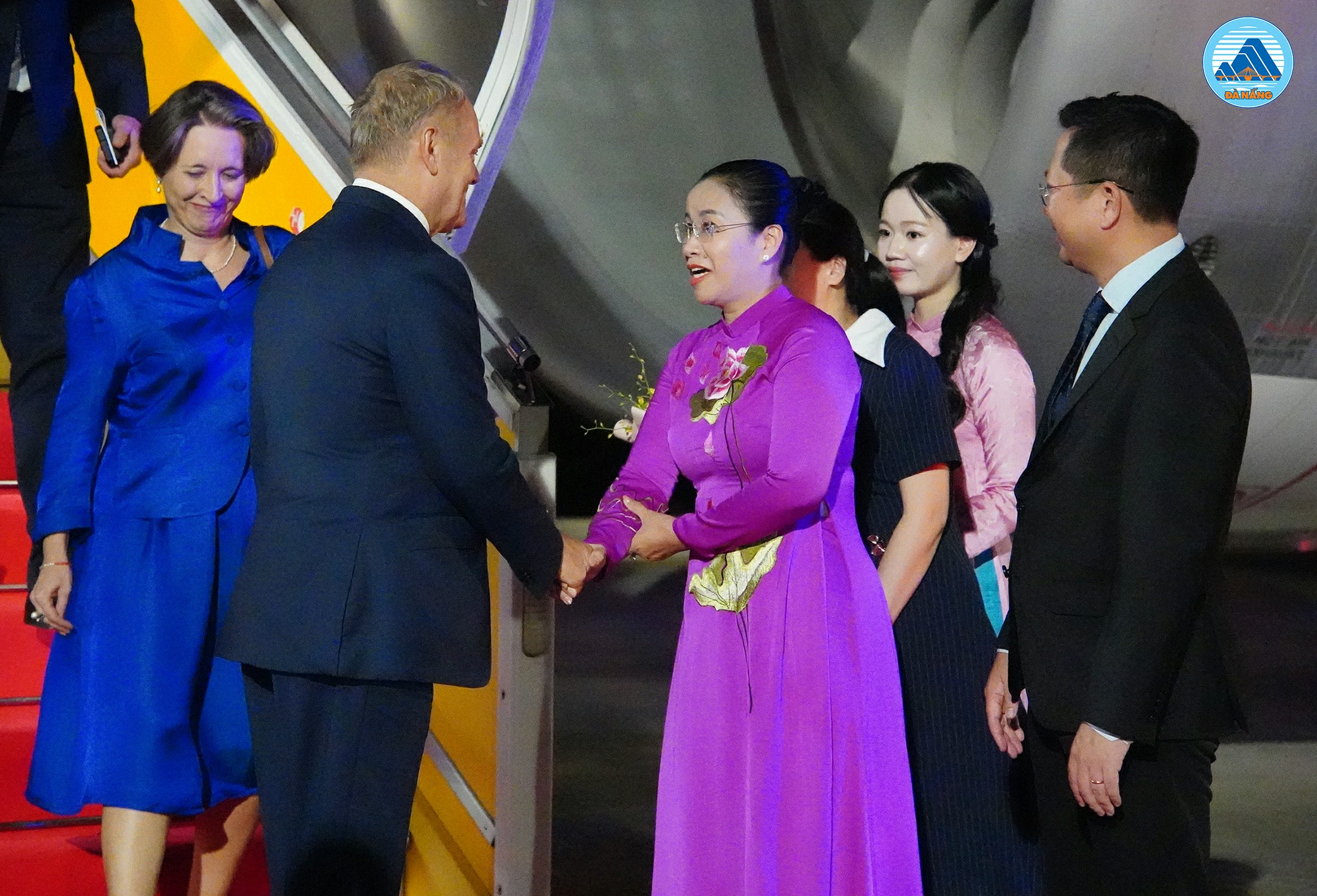
Prime Minister of the Poland Donald Tusk Visits Da Nang
Within the framework of his visit to Vietnam, on the evening of October 23, the special aircraft carrying Prime Minister of Poland Donald Tusk and the high-ranking Polish delegation arrived at Da Nang International Airport.
External information on the economy, politics, culture, and society in Danang city from Oct 26 to 31
From October 26 to 31, various notable economic, political, cultural and societal events and activities took place in Danang city. These highlights were compiled by Danang Portal.
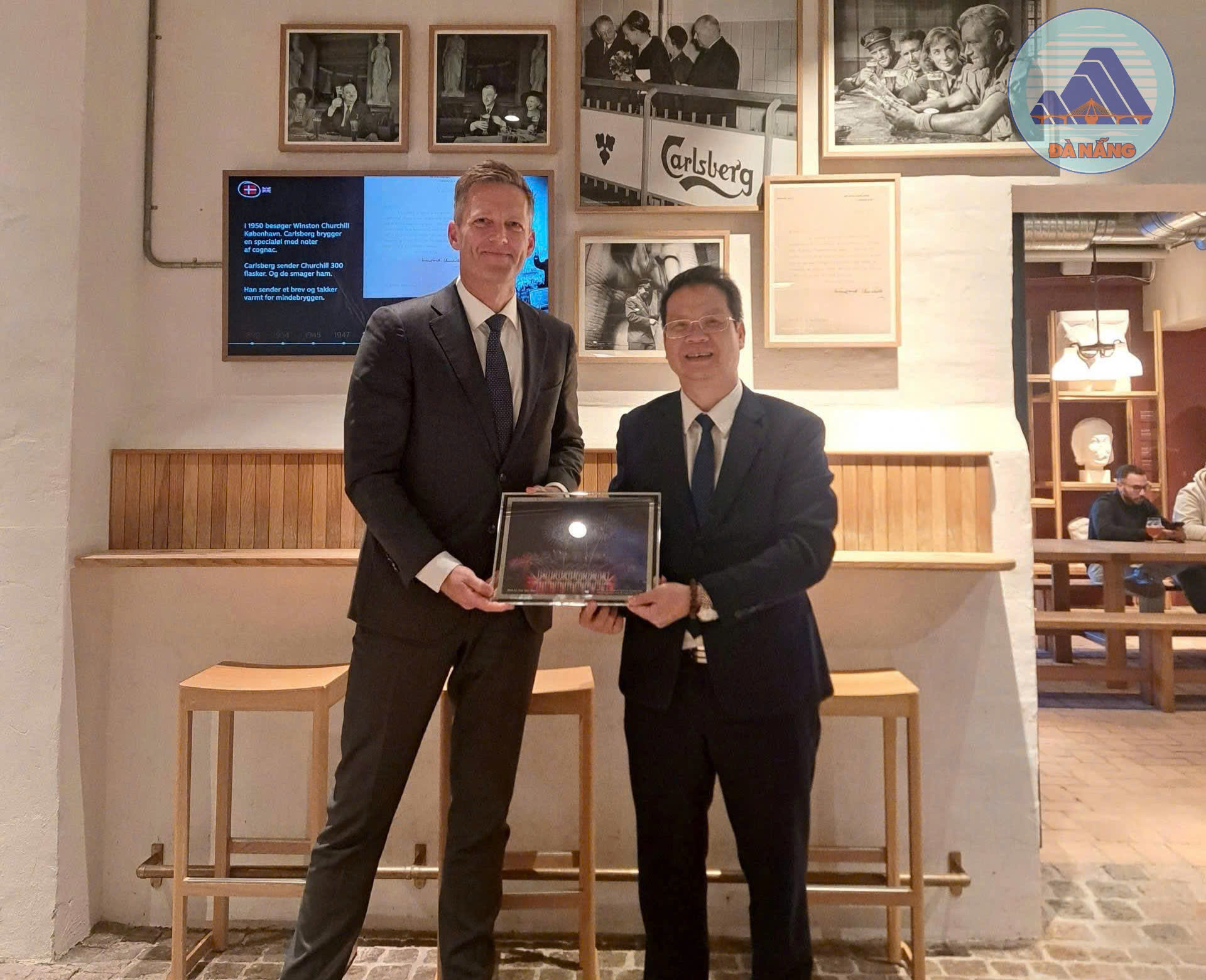
Chairman of the City People's Committee visits Carlsberg Headquarter in Denmark
On October 19, Chairman of the City People's Committee Nguyen Manh Hung visited and worked with Carlsberg Group at the Home of Carlsberg Museum in Copenhagen, Denmark.